
All posts by Michael von der Schulenburg

Is American democracy failing its people?
The impeachment process in the US Congress is over, with former President Trump being acquitted. Both sides of America’s political divide now claim victory. Michael von der Schulenburg argues that all sides have lost, and that American democracy is failing its people. More than ever in the past, the impeachment, a political rather than a…

Where stands Europe in a changing world?
Europe faces fundamental geopolitical changes caused by a decline in US global power, the rise of China and Asia, a re-assertive Russia, the emergence of multiple regional powers and the many intra-state armed conflicts in its neighborhood. To this come the effects of continued population increases, especially in Africa and the Middle East, scarce resources,…
The UN Charter is the West’s best option
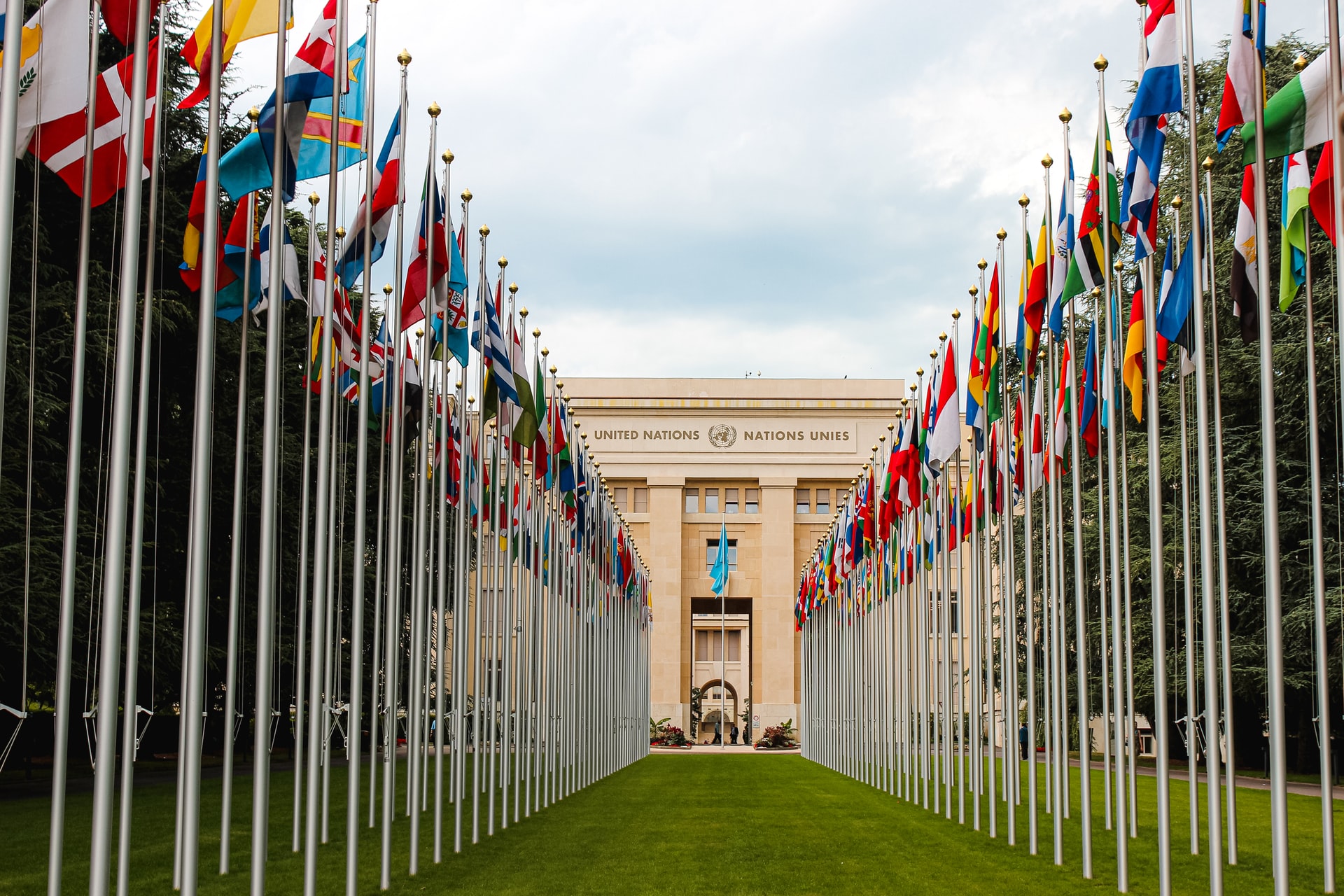
Although almost unnoticed today, 75 years ago, on 24 October 1945, the probably most important international treaty, the United Nations Charter, came into effect. Its aim was not only to end WWII, but to save, once and for all, succeeding generations from the scourge of war. In San Francisco, the victors against Nazi Germany pledged…
Armed non-state actors: a brief attempt at a portrayal
The war in Afghanistan should serve as a warning about the degree to which armed non-state actors (ANSAs) now dominate the global peace and security agenda and how ill-prepared the West – indeed, the international community – is to respond to this threat. The 11 September 2001 attack on the United States by the ANSA…

Why Global Peace Needs Nation-states
The German foreign minister, Heiko Maas, recently declared that ‘nationalism is the mother of all political problems’. Such a statement must be understood in the context of Germany’s troubled history. However, in the UN Security Council, Germany may face a totally different problem: how to rescue nation-states. Indeed, the future of nation-states has become a…

The IS, the US and Us
When President Obama gave his speech at the opening of the UN General Assembly in September this year, much of it sounded like a declaration of war on the so-called Islamic State (IS but also known as ISIS, ISIL, ISIG, EIS and even Daesh) within the territories of Iraq and Syria. Of course, by that…

The Era of Armed Non-State Actors – Void in international Law
International law about war and peace fails to respond to the shift from “traditional” wars among states to violent conflicts with and among armed non-state actors. At its core are the UN Charter and the Geneva Conventions that were developed in the aftermath of WWII with the hope of preventing similar devastating wars among states….

The Era of Armed Non-State Actors – Risks of Global Chaos
The Changing Character of Conflict Platform project explores changes in five dimensions of conflict, namely actors involved in conflict, impact of conflict on civilians, environments in which conflict takes place, methods used in conflict and resources that drive conflict. This blog article focuses on the increased importance of non-state and external actors and its consequences…

Rethinking Peacebuilding: Transforming the UN Approach
Since the end of the Cold War, the UN has found itself intervening directly within its member states to help them end intrastate conflicts and rebuild their war-torn countries. Peacekeeping missions that were originally designed to keep opposing national armies apart and that had the consent of the host state are now expected to secure…

In Search of Pathways to Peace
United Nations Secretary-General António Guterres plans to instil new life into the United Nations by making prevention of wars and armed conflicts the hallmark of his administration. This is laudable! After all, in 1945, the United Nations was created for this very purpose: to save succeeding generations from the scourge of war. Though geopolitical circumstances…