
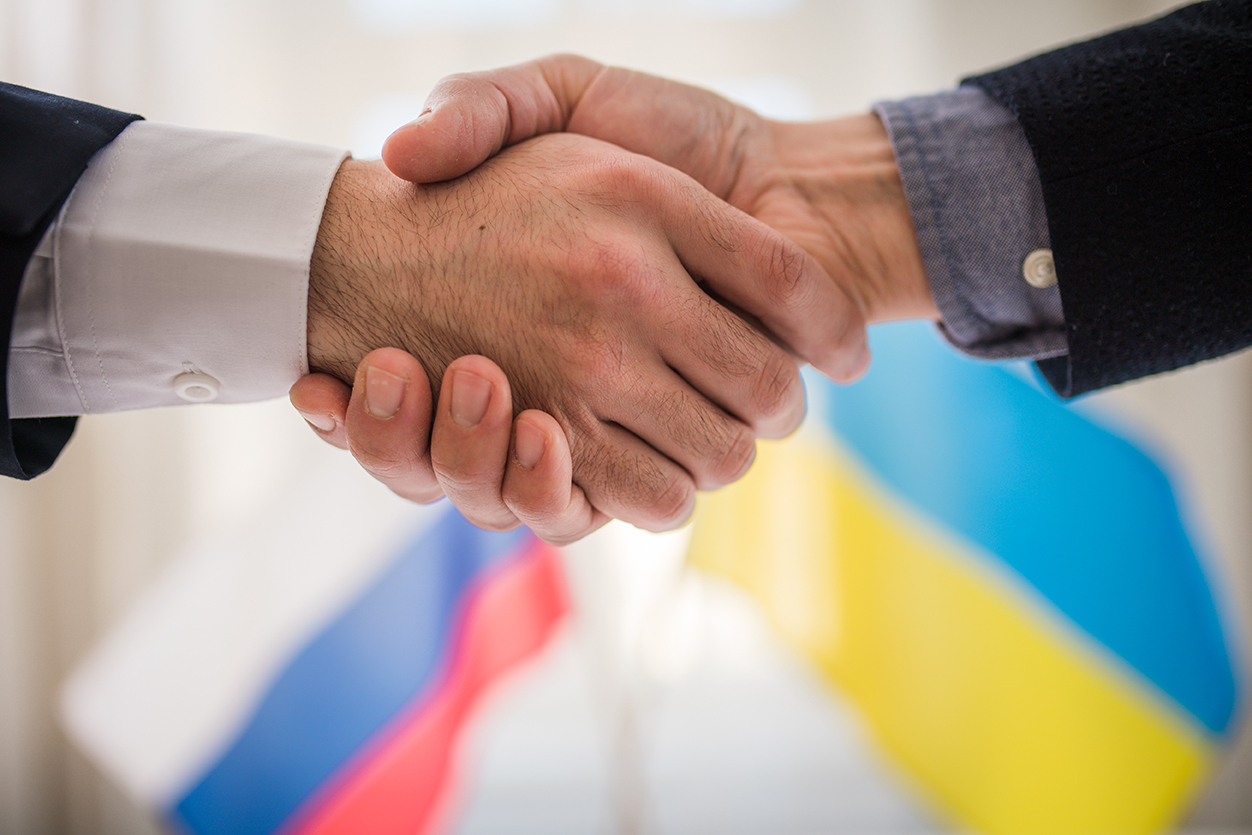
Ukraine and Russia: Towards a Negotiated End to the War
This broadly supported initiative outlies a viable roadmap toward a ceasefire and eventual peace treaty in Ukraine, offering an alternative to both capitulation and escalation.
Professor Dr. Peter Brandt, Professor Dr. Hajo Funke, Dr. Johannes Klotz, General (ret.) Harald Kujat, Michael von der Schulenburg (former UN Assistant Secretary General) and Professor Dr. h.c. Horst Teltschik
First published in Berliner Zeitung January 5, 2026
Europe’s future will be determined by reason, constructive cooperation, and the equal rights of all nations. A lasting peace cannot emerge from capitulation or from territorial questions left unresolved and a just and sustainable settlement begins with the manner in which the transition to peace negotiations is conceived and conducted.
Therefore, this proposal aims to
- point out possible solutions to the most important problems which, given a corresponding willingness to compromise by the parties to the conflict, would be suitable to end the war;
- secure the continued existence of Ukraine as a sovereign, independent and functional European state and, after four years of a cruel war, give the people there renewed hope for a future;
- lay the foundation for a pan-European security and peace order, taking into account the security interests of both Russia and Ukraine.
With this proposal, we aim to help establish a credible foundation for launching peace negotiations. A ceasefire becomes realistically attainable only when the warring parties have first agreed—through negotiations—on binding rules governing its implementation. By contrast, a simple pause in hostilities without clear, enforceable commitments remains inherently unstable: even minor incidents can trigger renewed fighting, deepen mutual mistrust, and thereby make the start of substantive peace talks even more difficult.